White Wines of Irpinia: Greco, Fiano, Coda di Volpe & Falanghina Explained
- Sarah Pompei
- Dec 23, 2025
- 3 min read

Irpinia may be best known for its powerful reds, but those who know the region well will tell you this: Irpinia is one of Italy’s great white wine territories.
Grown in high-altitude vineyards with mineral-rich, volcanic soils and cooled by mountain air, Irpinia’s white wines are precise, expressive, and deeply tied to place. Three native grapes define the region’s white wine identity: Fiano di Avellino, Greco di Tufo, Coda di Volpe and Falanghina.
Together, they tell the story of Irpinia: elegant, resilient, and unmistakably authentic.








Tell me more:
Fiano di Avellino DOCG: Elegant, Mineral, Timeless: Fiano di Avellino DOCG is considered one of Italy’s most age-worthy white wines. Grown in the hills around Avellino, Fiano thrives in Irpinia’s cooler climate, where slow ripening preserves both acidity and aromatic complexity. In the glass, expect notes of: hazelnut, honey, ripe pear, white flowers, a mineral edge and a subtle subtle smoky note when aged. Thanks to its structure and natural acidity, Fiano evolves beautifully over time, developing deeper nutty and honeyed characteristics. It is a wine that rewards patience, much like Irpinia itself.
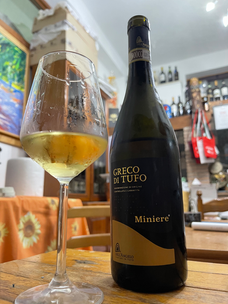
Greco di Tufo DOCG: Mineral, Structured, and Distinct: Greco di Tufo DOCG is Irpinia’s most mineral-driven white wine. Grown in the sulfur-rich soils around the village of Tufo over abandoned sulfur mines and in surrounding villages, Greco delivers precision and intensity with every sip. Greco is a wine shaped as much by its soil as by its character. Typical characteristics include: citrus zest, almond, and a pronounced minerality. Dry, structured, and refreshing, Greco di Tufo is a natural partner for food, particularly seafood, vegetables, and dishes that benefit from brightness and tension.
Coda di Volpe: The Quiet, Ancient White of Irpinia: Often overshadowed by Irpinia’s more famous whites, Coda di Volpe is one of the region’s oldest native grape varieties and a wine locals have been drinking quietly for generations. Its name, meaning “fox’s tail,” comes from the long, tapering shape of the grape cluster. Historically blended into other wines, Coda di Volpe is now increasingly bottled on its own, especially by producers committed to preserving Irpinia’s agricultural heritage. Expect notes of: yellow apple, pear, wild herbs and soft floral tones. The wine is typically lower in acidity than Greco or Fiano, making it rounder, gentler, and deeply food-friendly and pairs naturally with vegetable-forward dishes, fresh ricotta, grilled fish, and traditional Irpinian cooking, the kind of meals made at home rather than for show. Alongside its DOCG wines, Irpinia’s commitment to native varieties like Coda di Volpe reflects a deep respect for biodiversity, tradition, and the land itself.
Falanghina: Fresh, Friendly, and Versatile: Falanghina is the wine of everyday moments. In Irpinia, it’s the bottle pulled from the fridge without ceremony for a quick lunch, an unexpected guest, or a warm afternoon that stretches into evening. While often described as “easy,” Irpinia’s Falanghina still carries a quiet sense of place. The mountain air keeps it crisp, the soils lend subtle texture, and the winemaking stays honest and uncomplicated. It’s a wine that doesn’t beg questions. It simply shows up, ready to be shared. In Irpinia, Falanghina shows: green apple, citrus, white flowers and fresh herbs. It’s approachable and lively, making it ideal for casual lunches, fresh cheeses, and sunny afternoons, yet it still carries the region’s signature minerality and balance.
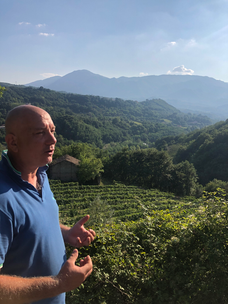
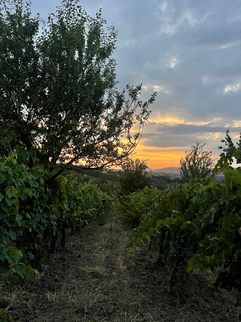
Why Irpinia Makes Exceptional White Wines: Irpinia’s success with white wines comes down to place and tradition. The region’s vineyards sit between 400 and 700 meters above sea level, creating dramatic day–night temperature swings. These conditions preserve acidity, slow ripening, and allow aromas to fully develop. Add to that volcanic ash, limestone, and clay soils, and the result is white wines that are mineral, expressive, and built for longevity. This is why Irpinia produces three of Southern Italy’s most important DOCG wines and why its whites are increasingly sought after by sommeliers and wine lovers around the world.
White Wines for the Ages: Irpinia’s white wines aren’t shaped by fashion or trends. They are shaped by altitude, cold winters, late harvests, and a deep respect for native grapes that have adapted here over centuries. This is a land where white wines are built with the same seriousness as reds meant to age, meant to evolve, and meant to be understood slowly. In Irpinia, white wine isn’t an afterthought. It’s part of the identity.


Comments